
Use Case: Integrating Spill Retention into a Secure Battery Shelter
An environmental-control use case for combining a retention tray, secure enclosure and maintainable access in one battery shelter design.
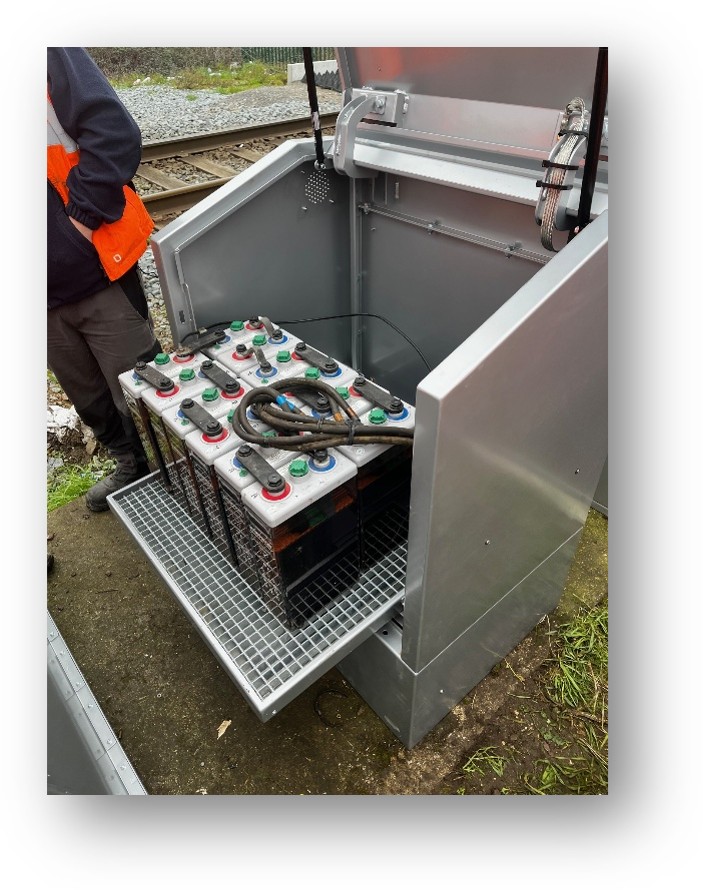
This is an illustrative engineering use case based on documented ALIAS product capabilities. It is not a named customer project, a site-specific design or a performance guarantee.
The design question
Battery security and environmental protection are sometimes specified separately. That can produce an enclosure that is difficult to inspect, a retention system that cannot be cleaned properly or interfaces that are decided too late.
A better approach considers the batteries, shelter, retention tray, access and maintenance method as one system.
Purpose of retention
A retention tray provides a defined area intended to contain leaks, residues or maintenance-related spills around the battery installation. Its capacity, material compatibility and detailed environmental requirements must be confirmed for the batteries and site concerned.
The presence of a tray does not remove the need for battery inspection, spill procedures, waste controls or compliance with the asset owner’s environmental requirements.
SafeBox AVAC arrangement
SafeBox AVAC combines an integrated retention tray with full frontal access and a reinforced external enclosure. This allows the retention area to form part of the shelter rather than being treated as an unconnected site accessory.
The enclosure also provides four-point locking using 25 mm hardened steel bars, hidden hinges, no externally accessible fixings and C5M corrosion protection.
Specification checks
- Battery type, quantity, dimensions and chemistry.
- Required retention capacity and applicable environmental rules.
- Resistance of tray materials and coatings to expected substances.
- Access for inspection, cleaning and removal of contaminated material.
- Cable routing that does not compromise the retention area.
- Ventilation and thermal requirements.
- Drainage around the external slab so surface water does not enter the shelter.
- Emergency and maintenance procedures.
Installation detail
The shelter should be installed level and in accordance with the approved slab plan so that the retention arrangement functions as intended. Penetrations or unapproved fixings through the tray can undermine the design.
A typical AVAC installation is approximately two hours, subject to site and operational conditions. Verification of the retention system, battery handling and electrical work may require additional time.
Inspection and maintenance
Routine inspection should check the tray for residue, corrosion, damage, standing liquid and obstructions. The team should also inspect battery condition, supports, cables and the surrounding slab.
Any liquid or contaminated material must be handled in accordance with the site’s approved environmental and safety procedures.
Use-case value
This use case demonstrates the value of integrating environmental control into the physical shelter design. Security, access and retention can then be reviewed together before the equipment reaches site.
The final arrangement must still be matched to the battery system and the asset owner’s environmental requirements; the integrated tray should not be presented as universal compliance for every installation.
ALIAS Engineering
We design and install modular enclosures for signalling, telecom and energy assets across European rail networks. Field notes from our installation teams are published here as they are cleared.